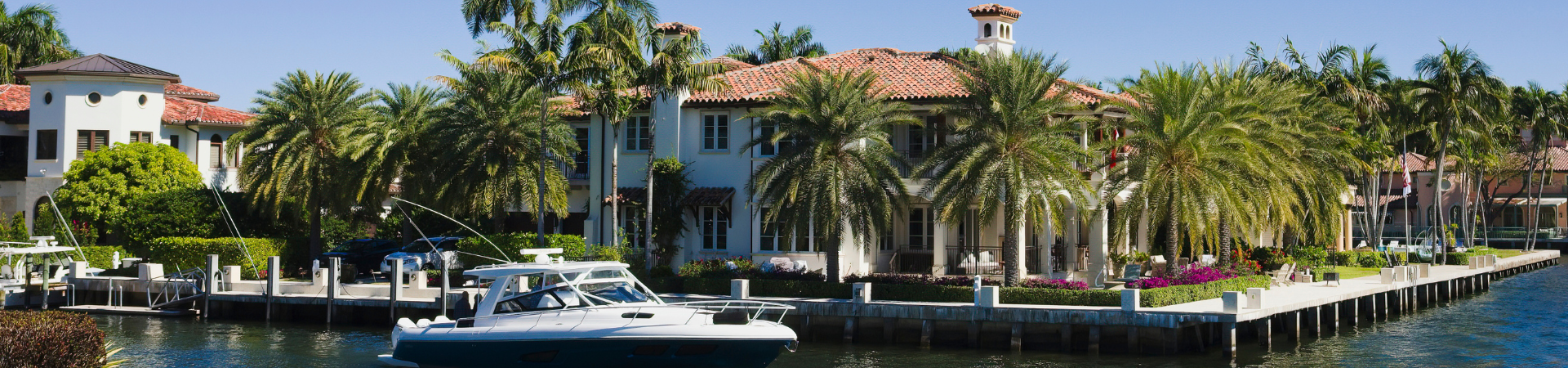
Selling a waterfront home in Treasure Island requires specialized pricing, waterfront-specific marketing, and a clear understanding of HOA rules, flood insurance, and buyer demand for canal access versus Gulf frontage. A top local listing agent with waterfront experience materially affects your outcome.
How do you sell a waterfront home in Treasure Island, FL?
Selling a waterfront home in Treasure Island is not the same as selling a standard residential property. You're marketing a lifestyle, a water-access asset, and in many cases an investment vehicle, all at once. Success depends on accurate waterfront pricing, professional visual marketing, a clear understanding of what your specific water access is worth, and an agent who knows exactly which buyers are looking for what you have.
I've spent over 15 years representing sellers throughout Treasure Island, St. Pete Beach, and Madeira Beach, with more than $400 million in career sales across Florida's Gulf Coast. Here's what I walk every waterfront seller through before we put a sign in the yard.
What Makes Treasure Island Waterfront Different from Other Markets
Treasure Island is not a typical Florida suburb. It's a resort-style, barrier-island community where waterfront access is the product, and buyers come specifically for it. As of late Q3 2026, the market here sits well above broader Pinellas County price levels, with limited inventory and a buyer pool that skews heavily toward second-home purchasers, investors, and serious boaters.
The three main waterfront property types I work with here each attract a distinct buyer:
- Gulf-front condos on Gulf Boulevard with direct beach access and resort-style amenities. These draw vacation-rental investors and second-home buyers who want a turnkey, low-maintenance coastal lifestyle.
- Single-family canal homes on deep-water canals, like the sailboat-water properties along 5th Street East, which are marketed specifically for their navigable depth and dockage. These attract serious boaters who want to keep a vessel behind their home.
- Intracoastal waterfront condos with boat slips or water views, which appeal to buyers who want the waterfront lifestyle at a different price point than direct Gulf frontage.
Knowing which category your home falls into, and who is actively searching for it, shapes every decision we make from pricing to photography to where we list it.
The Investment and Rental Angle
A significant portion of Treasure Island waterfront buyers are not buying a primary residence. They're buying a lifestyle asset that they also want to rent when they're not using it. That means when I list a waterfront condo here, I'm not just marketing to homebuyers. I'm marketing to investors who want to understand rental potential, HOA rules, minimum lease terms, and occupancy history.
If your condo allows short-term rentals, that's a meaningful value driver and it needs to be front and center in your listing materials. If it doesn't, that affects your buyer pool and needs to be disclosed clearly. I cover the specifics of how this plays out in Treasure Island in my post on whether Treasure Island is a good place to buy a vacation rental, which is worth reading if your property has rental history or potential.
How to Prepare Your Waterfront Home for Top Dollar
The preparation work for a waterfront listing goes beyond a fresh coat of paint. Here's what I walk my sellers through before we go live.
Document Your Water Access
For canal homes, water depth matters. Sailboat-depth water commands a premium over shallower canals, and buyers will ask. Pull together any documentation you have on water depth, dock permits, boat lift capacity, and seawall age and condition. If your seawall needs attention, address it before listing or price it in, because a buyer's inspector will flag it and it will become a negotiating point.
For condo sellers, gather your HOA documents, the most recent reserve study, any pending assessments, and the building's rental policy in writing. Older Gulf-front buildings in particular can carry significant deferred maintenance exposure, and buyers and their lenders will scrutinize this. Getting ahead of it protects your price.
Stage for the View, Not Just the Interior
Buyers purchasing waterfront homes are buying the water first and the house second. That means your outdoor spaces, view corridors, dock, and any boat lift need to be as presentation-ready as your kitchen. I tell my sellers to declutter every sightline to the water, pressure-wash docks and seawalls, and make sure outdoor furniture is clean and staged to show how the space actually lives.
Inside, keep window treatments open, remove anything blocking the water view from primary living areas, and let the light do its job. Buyers should feel the water the moment they walk through the front door.
Get Your Flood Insurance Documentation in Order
Flood insurance is one of the first things a waterfront buyer's lender will ask about. Have your current policy, your elevation certificate (if you have one), and any wind mitigation report ready to share. Buyers shopping in Treasure Island during active hurricane season, which runs June through November, are especially attuned to insurance costs and building resilience. Being organized here signals that you've maintained the property responsibly, and it keeps the transaction moving.
For authoritative guidance on flood insurance requirements in Florida, the FEMA National Flood Insurance Program is the primary resource, and the Florida Department of Financial Services covers state-specific insurance context.
Invest in Professional Visual Marketing
Waterfront homes sell on visuals. Drone photography that captures the canal, the dock, the Gulf proximity, and the sunset orientation is not optional here, it's the marketing. Twilight photography of Gulf-front condos and aerial footage showing access to nearby passes like Johns Pass are the kinds of assets that make buyers stop scrolling.
The buyers shopping for Treasure Island waterfront are often coming from out of state. They're making decisions based on what they see online before they ever book a flight. Your listing needs to do the heavy lifting before they arrive.
Pricing a Waterfront Home in Treasure Island: What You Need to Know
Waterfront pricing is not a simple per-square-foot calculation. The premium a property commands depends on water type (Gulf-front, deep-water canal, Intracoastal), water depth, dock and boat lift condition, view orientation, floor level for condos, and building-specific factors like HOA financials and rental rules.
Two canal homes on the same street can carry meaningfully different values based on water depth alone. Two condos in the same building can price differently based on floor level and view angle. This is where a comparative market analysis from a local waterfront specialist matters, because automated valuation tools don't capture these nuances.
The table below reflects the most recent available market data for context. These are area-level figures, not property-specific valuations.
| Market Metric | Detail |
| Market positioning | Treasure Island waterfront sits above broader Pinellas County price levels as of late Q3 2026 |
| Buyer profile | Second-home purchasers, vacation-rental investors, and boaters (resort/luxury waterfront market) |
| Key value drivers | Water type (Gulf-front, deep canal, Intracoastal), dock/seawall condition, rental eligibility, HOA financials |
| Inventory character | Limited supply on a barrier island; product type and condition drive absorption pace |
Broker Compensation: What Sellers Should Know in 2026
Following the 2024 NAR settlement, broker compensation works differently than it did even a few years ago. The listing-side fee is agreed between you and your listing agent in the listing agreement. Any compensation you choose to offer a buyer's agent is optional and separately negotiable. Nothing is set by law, nothing is standard, and no rate is fixed. I'll walk you through exactly how this works for your transaction when we meet, because the right structure depends on your goals and current market conditions.
HOA and Condo Association Disclosures
Florida law governs what sellers of HOA and condo-governed properties must disclose to buyers. The Florida Attorney General's office and the Florida Housing Finance Corporation are useful general references, but for the specific disclosure requirements that apply to your property, you'll want to work with your closing attorney. What I can tell you from experience is that for waterfront condos in Treasure Island, buyers will scrutinize HOA reserves, pending assessments, and rental restrictions closely. Getting those documents organized early keeps your deal on track.
The Pinellas County Clerk of Court and the Pinellas County Property Appraiser are also useful resources for buyers and sellers navigating property records, tax history, and ownership documentation in this market.
Every waterfront transaction I handle involves a pre-listing conversation about what documentation we'll need and what's likely to come up in due diligence. That preparation is what keeps closings from falling apart at the finish line.
Frequently Asked Questions
What's the current housing market like for waterfront homes in Treasure Island in 2026?
As of late Q3 2026, Treasure Island's waterfront market is characterized by limited inventory, prices that sit above broader Pinellas County levels, and a buyer pool dominated by second-home purchasers, vacation-rental investors, and boaters. Treasure Island and the surrounding Pinellas Gulf Beaches are recognized as luxury waterfront and resort markets, which means pricing and marketing strategy need to reflect that positioning. A local waterfront specialist can give you a current, property-specific picture before you decide to list.
What should I do before listing my Treasure Island canal home to get top dollar?
Document your water depth, dock permits, seawall condition, and boat lift capacity before you list. Stage outdoor spaces and clear every sightline to the water. Organize your flood insurance policy, elevation certificate, and any wind mitigation reports. Invest in drone and twilight photography that showcases the canal, dock, and sunset orientation. These steps directly affect buyer perception and, ultimately, your sale price.
How do HOA rules and rental restrictions affect the sale of my waterfront condo in Treasure Island?
Significantly. Buildings that allow short-term rentals attract a larger buyer pool, including investors who will pay a premium for documented rental income potential. Buildings with restrictive minimum lease terms or caps on annual rentals narrow your market to lifestyle buyers only. I always advise sellers to pull their building's current rental policy and have it ready before we list, because it shapes how we position the property and who we market it to.
Do Treasure Island waterfront buyers care more about boat access or beach access?
Both matter, but they attract different buyers. Gulf-front and Intracoastal properties with beach proximity draw second-home buyers and vacation-rental investors who want the coastal lifestyle without maintaining a vessel. Deep-water canal homes, especially those with sailboat-depth water and dockage near passes like Johns Pass, attract serious boaters who prioritize keeping a boat behind the house. Knowing which buyer type your property serves best is the first step in building a marketing strategy that reaches the right audience.
What makes Jill Helgren different from other listing agents for Treasure Island waterfront homes?
Jill is a top 1% real estate advisor with over 15 years of experience and more than $400 million in career sales on Florida's Gulf Coast, with a practice that is approximately 65% seller-focused. Her specialization is specifically luxury waterfront homes, beachfront and waterfront condominiums, investment properties, HOA-governed communities, and 1031 exchange transactions in Treasure Island and the broader Pinellas Gulf Beaches. That combination of local depth and transaction volume means she's navigated the specific challenges of waterfront sales, from seawall disclosures to HOA reserve issues to vacation-rental marketing, hundreds of times.
Selling a waterfront home in Treasure Island rewards sellers who prepare specifically for this market, not generically for any home sale. The right pricing, the right documentation, and the right marketing strategy for your exact product type are what separate a strong result from a long, frustrating listing period.
If you're thinking about listing your Treasure Island waterfront home, I'd welcome the conversation. Reach me directly at 727-455-5814 or jillhelgren@gmail.com, or request a free waterfront home valuation at jillhelgren.com.
About Jill Helgren
Jill Helgren is a top 1% real estate advisor affiliated with Coastal Properties Group | Forbes Global Properties, with over 15 years of experience and more than $400 million in career sales across Florida's Gulf Coast. She specializes in luxury waterfront homes, beachfront and waterfront condominiums, investment properties and second homes, HOA and deed-restricted communities, and 1031 exchange transactions throughout Treasure Island, St. Pete Beach, Madeira Beach, and Esplanade at Artisan Lakes. Jill is recognized for representing sellers in complex, high-value waterfront transactions with a disciplined, data-driven approach to pricing, negotiation, and market positioning.
Coastal Properties Group | Forbes Global Properties | 727-455-5814
Equal Housing Opportunity. Jill Helgren, Florida License #SL3230873, Coastal Properties Group | Forbes Global Properties, regulated by the Florida Department of Business and Professional Regulation (DBPR). This article is general information only and does not constitute legal, tax, or financial advice. Confirm all costs, taxes, and transaction details with your attorney, tax advisor, lender, or closing officer.